
How Does Social Competition Affect Teen Mental Health?
Adolescence has always come with a unique set of social pressures. There’s stress about navigating how to fit in while standing out at the same time. Figuring out where they belong isn’t always easy. But today, that experience looks very different from what previous generations faced. Competition among peers has greatly increased, and for many teens, the pressure to measure up is taking a serious toll.
What Is Social Competition, and Why Does It Matter So Much?
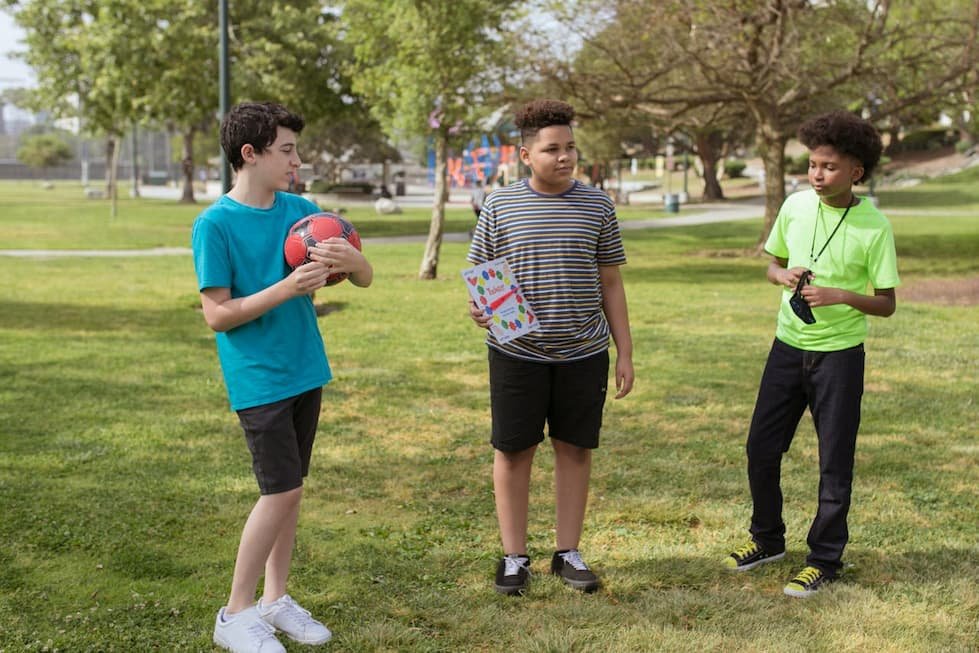
Social competition refers to the ongoing comparison teens make between themselves and their peers. This can show up in academic performance, physical appearance, athletic ability, popularity, or social status. At its core, it is measuring their value against others.
Teens are especially vulnerable to this kind of comparison since their brains are still actively developing at this stage of life. The regions responsible for emotional regulation and self-worth don’t reach full development until their mid-to-late 20s. Because of this, external feedback, especially from their peers, carries enormous weight. Teens who feel like they are falling behind their peers may genuinely start to question their value.
The Rise of Social Media and the Comparison Trap
Social media has significantly reshaped the landscape of teen social competition. These platforms prioritize likes and followers. They promote carefully curated highlight reels that are often far from reality. But it does make it easier than ever to consistently measure yourself against others.
Research has shown that social media has a significant correlation with higher rates of anxiety and depression within the teen population. Social media itself isn’t the true problem. It’s the habits it encourages and the way it overrides rational thought processes. Teens are comparing their internal experiences to everyone else’s external presentations.
Signs That Social Competition Is Affecting Your Teen
Teens aren’t often likely to admit they’re struggling, whether it’s due to pride or an inability to find the words to express it. You’re more likely to notice a shift in behavior. Signs of declining mental health include:
Increased irritability, withdrawal, or emotional sensitivity
Expressing feelings of inadequacy or not being good enough
Pulling away from activities they used to enjoy
Obsessive focus on appearance, grades, or social standing
Changes in sleep or eating habits
Avoidance of social situations where they might feel judged
Many of these behaviors are easy to write off as teen moodiness, but they should start to catch your attention. If you notice they are becoming normal or persistent, you’ll want to take them seriously.
How Social Competition Leads to Anxiety and Depression
When teens become stuck in this never-ending cycle of comparison, there’s no doubt it will have an emotional impact. Feeling less than in this already fragile state can fuel fears about the future and social anxiety. Over time, this can transform into depression, especially when they believe their efforts aren’t a match for their peers.
The pressure to compete also shows up as perfectionism. Their efforts to keep up, to achieve their goals, and to be accepted drive them to push harder. They’re afraid of what will happen if they fall short of these goals. Achievement-based feelings of self-worth become exhausting.
What Can Help?
Teens benefit most when the adults in their lives take their struggles seriously without minimizing their experience. Creating space for honest conversations at home, without judgment, is a strong starting point. Helping them find their worth and appreciate their strengths can positively impact how they view competition.
Going a step further, certain therapy modalities can help identify unhelpful thought patterns and develop the skills needed for effective emotional regulation.
Support Is Available
If your teen is struggling with social pressure, comparison, or the emotional toll of keeping up with their peers, help is available. We offer teen therapy in a safe, supportive environment where young people are met with empathy and practical tools. Contact us to schedule a consultation.